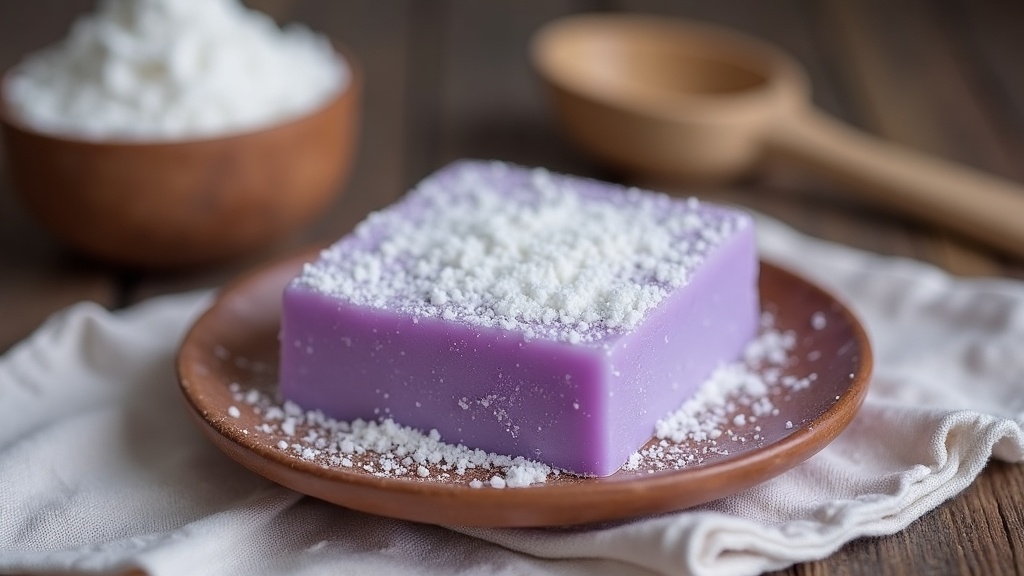
Long before routines got complicated, kitchens relied on simple staples like baking soda e gelatin — paired with steady habits around collagen, satiety, and rest.
Before jumping into any routine, it helps to understand what’s shifting underneath the surface.
The way fullness is communicated to the brain can change gradually, which is why some habits that used to work stop feeling the same.
Muscle composition tends to shift year over year, often quietly, long before any number on a scale reflects it.
Natural collagen production slows with time, which is part of why ingredients like gelatin get discussed so often in traditional kitchens.
Rigid calorie-counting approaches can feel harder to sustain long-term, prompting many women to look back at simpler, habit-based routines.
A lot of noise exists around female metabolism. Here’s a grounded look at three common claims.
Metabolism completely stalls after a certain birthday.
Metabolic rate shifts gradually and responds to ongoing habits like sleep, movement, and protein intake.
Cutting calories drastically is the fastest path to lasting change.
Sustainable routines tend to prioritize consistency over restriction, according to general wellness education.
Only intense workouts move the needle.
Small daily rituals — hydration, rest, gentle movement — accumulate meaningfully over time.
No drastic overhaul — just a practical sequence many women build into their day.
Some women begin their day with a warm drink, occasionally incorporating small kitchen staples like gelatin, before moving into breakfast.
Building meals with steady protein and fiber sources is a habit frequently discussed in general nutrition education.
A predictable evening routine — dim lights, a set bedtime — supports the kind of consistency that habit-based approaches rely on.
Long before wellness trends, grandmothers simmered bones for hours to make gelatin-rich broths, valuing them as part of everyday cooking. Baking soda sat in the same pantry, used in baking and passed down as a household staple for generations. These weren’t marketed as solutions — they were simply part of how kitchens operated.
Collagen is a structural protein found in skin, joints, and connective tissue. Understanding where it comes from — including food-based sources like gelatin — is a helpful piece of general nutrition education, not a guarantee of any outcome.
A noticeable slump in the afternoon, even after a full night's sleep.
Nails that chip or break more easily than they used to.
Feeling hungry sooner after meals, or less satisfied by portions that used to work.
Weight that moves around week to week without an obvious cause.
A tightness in knees or hands that shows up after sitting or light exercise.
Skin that feels less plump or takes longer to bounce back after pressure.
These are individual accounts shared for illustrative purposes. Names have been changed. Individual results may vary, and these testimonials are not a guarantee of any specific outcome.
Hydrolyzed gelatin is gelatin that has been broken down into smaller protein components, often used in food preparation and general nutrition discussions.
This page is educational content exploring habits, ingredients, and routines discussed in general wellness conversations.
No. This content does not make any claims about weight loss, fat burning, or treatment of any condition.
Both are longstanding kitchen staples with a history in traditional cooking and household routines, which is the focus of this discussion.
No. This content is for general educational purposes only and is not a substitute for professional medical guidance.
It’s intended for women interested in general wellness education and everyday habit-building, regardless of age.
Yes. It’s always recommended to speak with a qualified healthcare professional before making changes to your diet or routine.
Explore the full breakdown of habits, ingredients, and everyday rituals discussed in this content.
Advertising Disclosure: This page contains sponsored content and affiliate links. We may receive compensation if you make a purchase through links provided on this page. This helps support the operation of this site at no additional cost to you.
Content Disclaimer: This content is for educational purposes only and has not been evaluated by the FDA. It is not intended to diagnose, treat, cure, or prevent any disease or medical condition. Always consult a qualified healthcare professional before making changes to your diet, exercise, or wellness routine.
Results Disclaimer: Individual results may vary. Any testimonials or examples shared on this page reflect personal experiences and are not a guarantee of specific outcomes for any reader or user.
© 2026 All Rights Reserved. For questions, visit /contact/.